I’ve always been reticent to use the term “gaslighting” because it’s so reminiscent of the term “gassing” – which is synonymous (at least to me) with the Nazi death camps like those where my grandmother, my great aunt and uncle, and many other relatives were murdered by the Nazis.
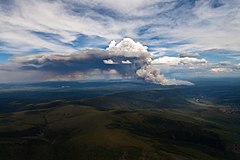
The reason I’m talking about gaslighting at all is that the news media seems to be going out of its way to avoid talking about wildfires. A Greek friend noted that there has been very little coverage domestically of the wild fires devastating the islands of Rhodes and Corfu, to the great frustration of the people who live there.
Coverage from sources like the Guardian focuses on the plight of tourists trapped on those “inferno-stricken” islands, while residents of Greece get scant coverage of what’s happening to them, their soon-to-be-displaced laborers, their wildlife, or their means of existence. It’s as if they’re being told to ignore what their own watery eyes are telling them.
About the causes of these fires, and for that matter the record-breaking temperatures across the world: don’t worry, just take a greenhouse-gas-belching airplane to a faraway place and forget all of this is happening.
We don’t talk about that, just as we don’t talk in the US about racial inequality that stems from our practices of slavery (shh!!!), the devastating impact of redlining (which still occurs today), or the persistent disenfranchisement of African Americans.
But sadly, what we don’t talk about doesn’t go quietly into the night – it turns on us like a giant squirming worm infesting the guts of our social fabric, making us ill, mad, and more likely to strike out blindly with inchoate rage.
What happened to European Jews, what happens to refugees from civil strife and climate change, what is happening today to our planet, our wildlife, the very air we breathe, all under cover of silence: the silence through which we can hear the hissing of gas nozzles isn’t a figment of our fevered imaginations. We’re being gaslighted by a media cohort not so much doing the bidding of the powerful than simply struggling to find its own footing in an increasingly hostile and inhospitable environment. Less a conspiracy than incompetence, cowardice, or a lethal combination both.
This silence brings to mind the words of a Holocaust survivor who, after reading The Silk Factory: Finding Threads of My Family’s True Holocaust Story, wrote, “The description of the rage you felt at the theft of your family’s factory and the callousness with which the present owners simply pretended that the past did not exist made me scream.”
We can no longer afford to pretend that the past did not exist. We can no longer afford to be silent about the present. As I discovered and wrote about in my memoir, there is a lot of healing to be gained from acknowledging history, atoning when possible, and above all, removing unspoken causes of strife and underlying grievance from the subconscious of future generations.
 Michael Missing